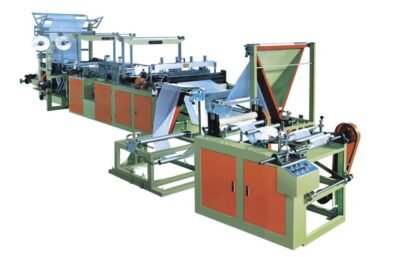
How to Fix Glue Spilling and Uneven Coating on Your Plastic Edge Banding Machine
Every furniture maker in Lagos, Abuja, or Onitsha knows that a clean finish is what brings high-paying clients to your workshop. When a customer orders a wardrobe or kitchen cabinet, they expect smooth edges with invisible glue lines. One of the most annoying issues in Nigerian factories is when the edge banding machine starts spreading glue unevenly, leaving some spots dry while heavy glue spills and ruins the board surface. That not only wastes your expensive hot melt adhesive, it also leaves your crew scraping off excess glue by hand for hours — and the longer it goes on, the more boards you run just to throw them away.
Why Your Edge Bander Spills Glue or Leaves Dry Spots
When the machine messes up the glue line, the problem usually comes down to three things: dirt, wrong settings, or power drops. In our environment, fine sawdust from panel saws easily mixes with the open glue pot and turns the adhesive into a thick, sandy sludge. That sludge blocks the small gates inside the machine and stops the roller coating the board evenly. Our everyday voltage fluctuation is another major culprit — if the factory generator drops power, the heating drops too, and the glue gets too thick to flow smoothly. And on many machines the flow setting itself has drifted, which we cover in Step 2. Between these, you cover the usual causes before reaching for major repairs. It is also worth a quick check of the glue pot temperature reading while you are at it, because a thermocouple that has come loose shows the right number on the screen while the glue underneath is still the wrong consistency.
Step 1: Clean the Gate and Roller Without Damaging the Metal
You do not need to buy special imported chemicals to clear the blockage. Heat the machine until the remaining glue softens, then switch off the main power for safety. Use a piece of hardwood scrap or a soft brass scraper to clear the burnt, hard crust around the glue gate and the roller area. Never use sharp iron nails or steel screwdrivers for this job — scratching the aluminum alloy parts leaves a rough surface that keeps snagging glue and leaking in that spot, and it is hard to reverse once done. After the bulk is out, run a clean, dry cloth over the gate and roller to pick up the last bits of sand and grit; a gate that looks clean but still has fine dust in it will clog again within the first few boards.
Step 2: Set the Glue Thickness Valve Correctly
Once the system is clean, adjust the mechanical flow control valve. Many operators leave this valve wide open, thinking more glue means a stronger bond. In reality you only need a thin, uniform layer — too much adhesive not only spills but takes longer to cure and can push the tape or edging out of place before it sets. Feed a scrap piece of MDF or plywood through and watch the board edge closely, then slowly turn the adjustment knob to reduce the flow — the direction differs from machine to machine — until the edge shows a smooth, even coat with no heavy drops dripping down the sides. Run two or three test boards and look at each one before settling on a setting, because a small turn of the knob changes the coat more than most people expect.
Step 3: Stop Stagnant Heating During Power Cuts
To keep the problem from coming back, train your operators on shutdown habits. When NEPA or the grid power fails and you switch over to the diesel generator, do not leave the machine idling at high heat. Constant cooking without feeding any boards turns fresh adhesive into black carbonized dirt that upsets the roller alignment. Turning off the heat switch during long breaks keeps the glue fresh and gives you a clean, even finish on every panel. If a break is only going to be ten or fifteen minutes, it is usually better to leave the pot warm at a low holding temperature rather than letting it cool and re-melt — a full heat cycle is harder on the glue than idling briefly.
Summary
A clean gate, a correctly set flow valve, and disciplined shutdown habits cover the three usual causes of glue spilling and dry spots. Fix those and the machine goes back to laying a thin, even coat, your adhesive stops going to waste, and your panels come out with the clean edge your customers are paying for.