How to Fix Your Plastic Bag Making Machine Sizing and Cutter Issues in Nigeria
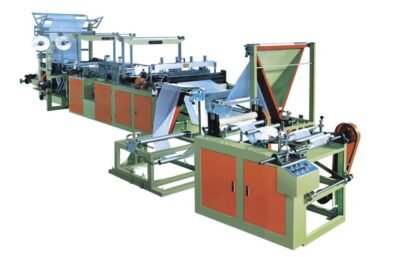
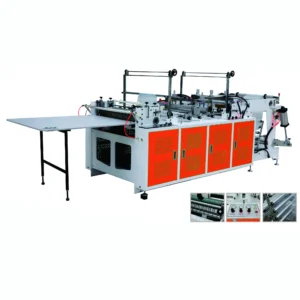
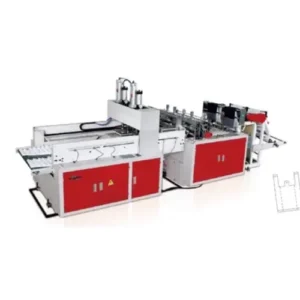
Running a plastic bag manufacturing factory in Lagos, Kano, or Onitsha is a high-reward business, but unexpected mechanical downtime can cost you heavily in wasted film and delayed orders. One of the most frustrating complaints we hear from Nigerian factory managers involves bag making machines cutting unequal sizes, alongside cutters that stick or fail to cut through the film cleanly. If your T-shirt bag or flat bag production line is facing inconsistent sizing or a dull cutting blade, you are not alone. Our engineers have visited dozens of factories across West Africa, and we found that the hot Nigerian climate, local dust, and high usage of recycled materials play a massive role in these failures.
Stopping Your Plastic Bag Machine Spacing from Cutting Unequal Sizes
When your machine produces one bag at forty centimeters and the next one at forty-two centimeters, it messes up your packaging count and frustrates your wholesale buyers. This inconsistent bag length usually happens because of dust on the photoelectric eye sensor. Nigeria’s high humidity combined with factory dust creates a sticky layer over the optical sensor, making it miss the tracking mark on the printed film and confusing the feeding motor. To fix this problem, you should never use water to clean the sensitive component. Instead, take a soft microfiber cloth dipped in isopropyl rubbing alcohol and gently wipe the eye of the sensor. We highly recommend making it a strict rule for your operator to clean this before starting every single morning shift.
Adjusting Rubber Roller Tension When Bags Cut Wrong Lengths
Another major reason for unequal sizes is improper feeding roller tension. If the rubber rollers pulling the film are too loose, the film slips during high-speed runs. If they are too tight, the film stretches before it even hits the cutter. You can solve this by adjusting the pneumatic cylinder pressure or the manual springs on the feeding roller. Make sure both the left and right sides have equal pressure so the film moves in a straight line without wrinkling.
Solving Heat Expansion Issues with the Bag Cutting Blade
When the upper and lower blades fail to separate the bags cleanly, your operators have to tear them manually, which ruins the bag edges and slows down production. This cutting failure often traces back to thermal expansion from high heat. Nigeria’s ambient factory temperature often exceeds thirty-five degrees Celsius. When your machine runs for hours, the steel cutter blades absorb heat and expand, which changes the micro-gap between the top and bottom blades. If the blade feels excessively hot, turn off the heating element for a few minutes or adjust the cutter gap slightly when the machine is at its peak running temperature.
Daily Industrial Bag Cutter Maintenance to Prevent Slider Lag
Lack of lubrication on the slider also ruins your cutting efficiency. Many local operators wait for the machine to break down completely before applying oil. A dry cutting mechanism moves slowly, causing a costly delay between the feeding cycle and the cutting stroke. You must apply high-temperature gear oil or grease on the cutter guide rails and mechanical linkages every twelve hours of continuous production to prevent this lag.
Upgrading Spare Parts for Heavy Duty Bag Making Machines
Using high-quality, hardened steel blades can save you months of frustration and thousands of Naira in wasted raw materials. If your current manufacturer’s cutter wears out every few weeks, it is time to upgrade your components. Contact our engineering team today for heavy-duty bag making machines built to withstand fluctuating power and demanding African climates. We supply premium cutters, sensors, and technical advice to keep your factory running twenty-four seven.