How to Solve Plastic Film Ink Drying Issues on Your Flexo and Gravure Printing Machines in Nigeria
Running a plastic film printing factory in Lagos, Kano, or anywhere in Nigeria brings good opportunities and steady technical pressure. Flexible packaging for pure water sachets, bread bags, and shopping bags keeps demand strong, and most plants here run a mix of rotogravure and flexo presses on the same floor. But many shop owners and operators hit the same problem: the ink dries too fast and blocks the cylinder, or it dries too slowly, so the film rolls stick together and a whole batch is lost. On a busy week, a single bad batch ties up film, solvent, and press time that were already paid for.
That balancing act is harder in West Africa because of the climate and the operating conditions. Understanding how to handle the ink and tune the machine saves real money in wasted film and downtime.
Navigating Climate and Solvent Challenges
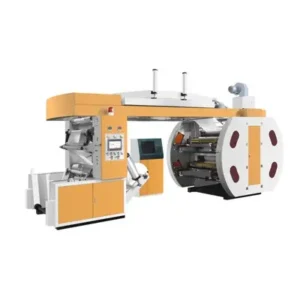
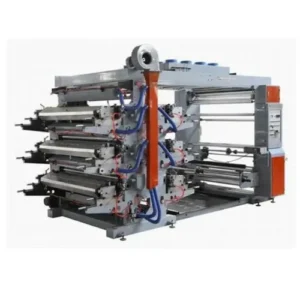
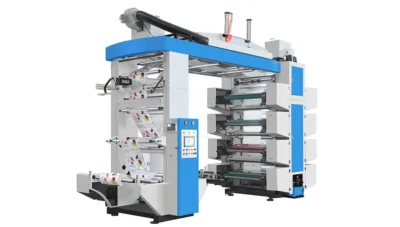
Ink instability on plastic film usually comes from Nigeria’s seasonal swings. In the humid rainy periods, trapped moisture slows solvent evaporation on high-speed rotogravure or CI flexo presses. When the air is already saturated, the solvent in the ink has nowhere to go, the print stays tacky, and stacked film layers stick together before the ink has fully set. In the dry Harmattan months, the opposite happens — the air is so dry that solvents evaporate too early inside the gravure cylinders or on the flexo plates. The ink skins over on the plate, clogs the doctor blade, and the print fades or drops out on the next revolution.
Local material inconsistencies make it worse. Film thickness that varies from roll to roll changes how much heat the web absorbs in the tunnel, and unverified or mixed solvents change the evaporation curve of the ink you thought you knew. A press that ran clean last week can start failing simply because a different film or a different solvent drum came in.
Practical Fixes for Factory Floors
Most of these issues are solved by adjusting the ink blend and the machine settings rather than replacing equipment. Work through them in the order below, and change one factor at a time so you can tell what actually moved the result.
Seasonal solvent choice is the first lever. Ink drying speed depends on the solvent balance, not on a single solvent. Mix a slow-drying retarder such as butyl glycol during the dry Harmattan spells, and a fast-evaporating accelerator such as ethyl acetate during the rainy months. Keep the blend within a range the ink maker recommends — overdo the retarder and the print stays tacky and sticks; overdo the accelerator and it skins on the plate. When the blend changes, run a short test roll and check how the ink reacts before committing a full order.
Drying tunnel airflow comes next. Do not overheat the tunnel to compensate for a slow-drying ink — excess heat warps PE or BOPP film and can cause curl and blocking at the winder. Clear dust from the exhaust fans on stack-type flexo presses, and confirm the tunnel is actually pulling saturated solvent vapor out rather than recirculating it. If the ink is still slow at maximum airflow, reduce the line speed slightly to give the web more residence time in the oven.
Consistent ink viscosity matters just as much. Check it every thirty minutes with a Zahn cup, and top up with the correct thinner rather than raw solvent to avoid shifting the blend. Note the ink temperature too — a warm press room makes the ink thinner than it reads on a cold morning. Log the readings so you can spot a drift before it turns into a batch problem.
Then check the substrate. Verify surface tension with a dyne pen: for PE and BOPP film treated for printing, a reading around 38–40 dyn/cm is a common target, and anything below it means the corona treater is underperforming. That can look exactly like wet ink, because the ink never properly adhered in the first place. Check the treater output and the dyne level together before blaming the ink.
Handling solvents safely is part of the job too. Ethyl acetate and butyl glycol are flammable and produce VOCs, so store and mix them away from any ignition source, keep the press area ventilated, wear gloves and a suitable mask, and dispose of waste solvent through the approved channel rather than the drain.
Summary: Match the Ink to the Weather and Keep the Print Clean
Ink drying on Nigerian film presses is mostly a matter of matching the solvent blend to the season, keeping airflow and viscosity steady, and confirming the surface tension before blaming the ink. With those under control, the press runs cleaner through both the rains and the Harmattan, and your scrap rate drops accordingly.
If your plant is fighting recurring drying problems, or you are comparing flexo and gravure presses built for humid, high-temperature conditions, our technical team would be glad to review your setup.