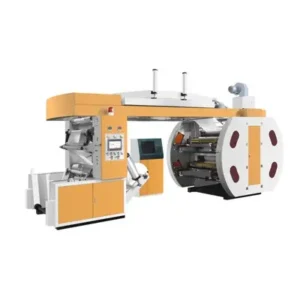
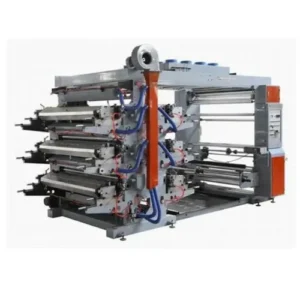
How to Fix Rusting and Mechanical Jamming on Your Plastic Edge Banding Machine
Every woodworker and furniture factory owner in Lagos, Port Harcourt, or other coastal areas of Nigeria knows how aggressive humid air can be to workshop equipment. You close the factory on Saturday evening with everything running fine, then come back Monday morning to find the moving parts of the edge banding machine stiff or covered in brown rust patches. When humidity and salty air jam the internal tracks, the machine starts dragging boards, misaligning the PVC tape, and halting the line. Left unchecked, the damage moves past the rails into the chains and bearings, and the repair bill climbs with every week you put it off. To avoid long-term damage and keep the workshop profitable, follow a practical routine that clears the rust and keeps everything moving.
Why Your Edge Bander Components Get Stiff and Jammed
When the chains, bearings, or guide rails start to stick or grind, the cause is a mix of environmental moisture and fine wood dust. Coastal Nigeria sees high humidity peaks that settle on exposed metal inside the workshop overnight, and in the months closest to the rains the metal can pick up surface rust in a matter of days. When that damp air combines with the sawdust from cutting MDF or HDF panels, it forms a gritty paste that clogs the linear rails and driving chains. If operators ignore it and keep pushing boards through, the motors strain harder — burnt fuses, broken chain links, and crooked edges on the cabinets follow. A grinding sound on a clean board is usually the first warning; it means the grit is already inside a rail or a bearing and should be dealt with before the next full run.
Step 1: Strip Away the Rust and Sawdust Crust Safely
Start by clearing the grime without stripping the protective factory coating. Shut down the main power breaker and open the rear access panels to reach the driving chains and track rails. Do not use harsh acids — spray the rusted areas with a standard penetrating oil or a good anti-rust spray, and let it soak into the joints for about ten minutes. Then scrub the loosened rust and packed sawdust off with a stiff copper wire brush or a coarse cloth. Work until the surfaces are clean again, but stop at the original coating — the protective layer is what stops the next round of rust, so the goal is to remove the corrosion, not to strip down to bare metal. After brushing, wipe the cleaned areas with a dry cloth to pick up the loosened flakes; loose rust left on the surface will simply re-bind with the next day’s moisture.
Step 2: Flush Out the Bearings and Re-lubricate the System
Once the heavy rust is gone, do not leave the metal dry — it will rust again quickly. Flush the hidden grit out of the conveyor bearings and guide rollers by spraying a quick-drying degreaser or cleaning solvent into the moving joints to wash away the dirty oil sludge. Then apply a high-temperature grease or a heavy-duty industrial chain lubricant to the driving tracks. Apply it in a light, even coat and wipe off any excess — a thick build-up does the opposite of protecting, because it catches sawdust and forms the same gritty paste you just removed. Avoid cheap, thin motor oils or recycled lubricants from the generator set — thin oils pull sawdust in and cause a heavier jam within a few days.
Step 3: Implement Daily Air Blowing and Anti-Rust Discipline
Keeping the machine from seizing up comes down to simple closing-time habits. Before the operators switch off the diesel generator at the end of the day, have them use a high-pressure air blow gun to clear fresh wood dust out of the tracking system. During the heavy rainy season, wipe the main guide rails with a light coat of anti-corrosion oil every Friday evening before locking up — it shields the metal over the weekend and the machine starts clean each morning. If the workshop is close enough to the coast to feel the salt in the air, it also helps to throw a cover or tarpaulin over the machine when it will sit for more than a couple of days, and to run a dehumidifier or keep silica bags near the control cabinet. The Friday oil-down is the single most useful habit; it takes five minutes and prevents most of the Monday-morning stiffness.